The Radiator Gets a Credit: Cutting a Short Film’s Sound From Domestic Life
Photo: Charles H. Bennett, Public domain, via Wikimedia Commons
There’s a moment in our new short where a character waits for someone who isn’t coming. No dialogue, no music, just a kitchen. We tried a soft piano track first. It felt like an advert for insurance. We tried silence. It felt unfinished. In the end, the scene was carried by a kettle coming to the boil, a drawer closing a bit too hard, and the radiator knocking twice in the corner. All recorded in an ordinary flat in Wakefield.
That’s the short version. The longer version involves blankets, contact mics, a lot of tea, and a crash course in why domestic sounds are both brilliantly free and surprisingly fiddly to capture.
Why library tracks rarely sound like home
Stock sound libraries are useful. They are also weirdly clean. The rain is too cinematic, the cutlery too polite, the room tone too anonymous. Drop those files into a British kitchen scene and the result can feel like a film set pretending to be a home — which, technically, it is.
We wanted the opposite. The short is set in a small terraced house, the kind with a boiler that clears its throat before every hot tap and a back door that needs a shoulder. The soundtrack needed to feel like that specific place, not a generic idea of “domestic”. Household noises gave us that geography for almost nothing. A cupboard door in a Victorian terrace has a different weight to one in a new-build. A kettle switch clicks in a particular way. A wheelie bin lid in the rain is not the same as a bin lid in a studio.
Those differences do a lot of quiet work. They tell the audience where they are before anyone has to say it.
The kit we actually used
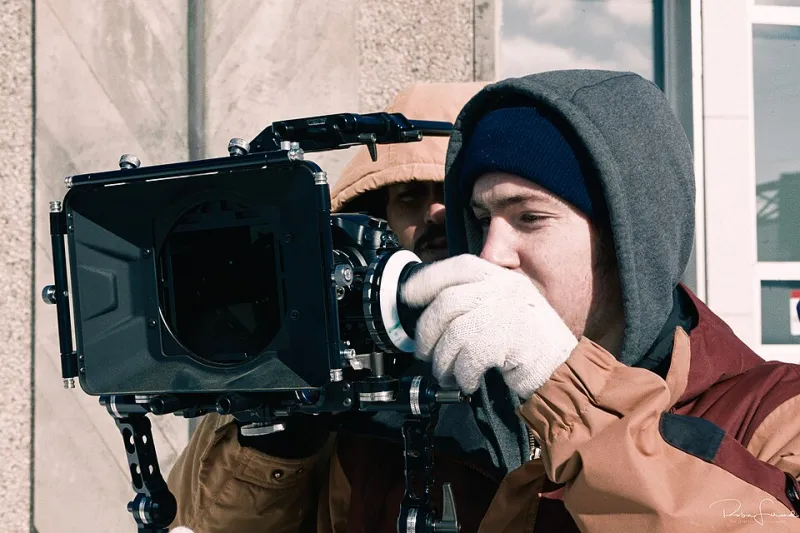
We kept the gear modest: a portable recorder, a shotgun mic, a contact microphone, a long cable, a couple of blankets and a willingness to crawl around on kitchen floors. The contact mic was the surprise hero. Taped to the underside of a drawer, it picked up the slide and thunk of cutlery in a way the shotgun missed entirely. On the radiator, it turned a gentle tap into a proper metallic ring.
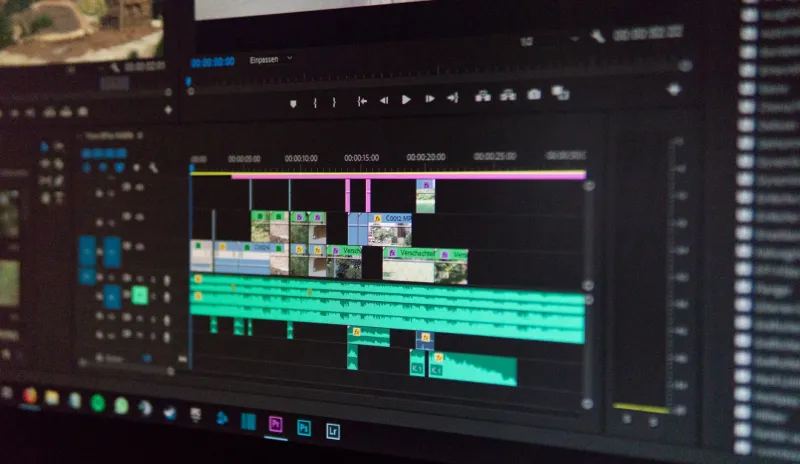
We recorded each sound in isolation where possible, then performed it to picture later. That second part matters. Foley isn’t just collecting noises; it’s matching them to action. A character lifts a mug, stirs tea, sets it down. The clink has to land on the frame, not near it. We played the edit on a laptop, watched the action, and did the sounds in real time, often badly, until they settled.
We also recorded room tone in every location — thirty seconds of nothing happening. That bed of quiet air is what glues the whole track together. Without it, every effect sounds like it has been dropped on top of the picture from a great height.
Clearing the kitchen, not just the camera
Location permissions for sound can be less formal than for a full shoot, but they still matter. We had a written agreement with the homeowner covering access, dates and what we’d move. We didn’t rearrange the kitchen into a studio; we worked around the tins and the tea towels. That kept the sound honest and the disruption small.
For the performers, we used simple release forms covering their contribution to the soundtrack as well as their appearance. If someone’s hands are stirring a pan on camera and their actual stirring is in the mix, it’s cleaner to have that in writing. We also avoided recording identifiable brand jingles or radio chatter. A kettle is a kettle; a chart song from the neighbour’s radio is a licensing conversation nobody needs on a short film.
If you’re recording in a shared building, tell the neighbours. Not because you need a permit for a drawer, but because a doorbell or a dog barking halfway through a take will find its way into your best recording. We lost a lovely fifteen seconds of radiator knock to a delivery driver. We kept the delivery driver. He’s now a bus passing in the background.
Building the track like a scene, not a playlist
Back in the edit, we treated the domestic sounds as layers rather than decoration. The kettle was a low boil under the dialogue. The drawer was a punctuation mark. The radiator was almost a character — a small, grumbling presence that reminded the audience the house was old and the heating was on. We pitched some sounds down, rolled off the high end on others, and added a touch of reverb to the hallway recordings so they matched the room.
What we didn’t do was fill every gap. Silence, or near-silence, still has a job. The household noises worked best when they arrived at the edges of the scene: a tap dripping in another room, rain hitting the bin outside, the fridge humming while someone stands still. Those sounds make a place feel lived in because they don’t stop for the drama.
What we’d do differently next time
We’d record more drawer variations. We’d label files properly the first time, not the third. We’d put a mic in the hallway earlier, because the best radiator knock happened while we were setting up and nobody pressed record. And we’d resist the urge to clean everything up in the mix. The rough edges are the point. A perfectly smooth kitchen sounds like a showroom. A kitchen with a click, a clunk and a distant boiler sounds like someone’s actual life.
For a short film with a small budget, that’s a useful trade: less money on music libraries, more attention on the sounds already in the room. The kettle doesn’t need a sync fee. It just needs to be listened to properly.