Daylight Leaves Early: Grading a Winter Short for Phones, Kitchens and the Big Screen
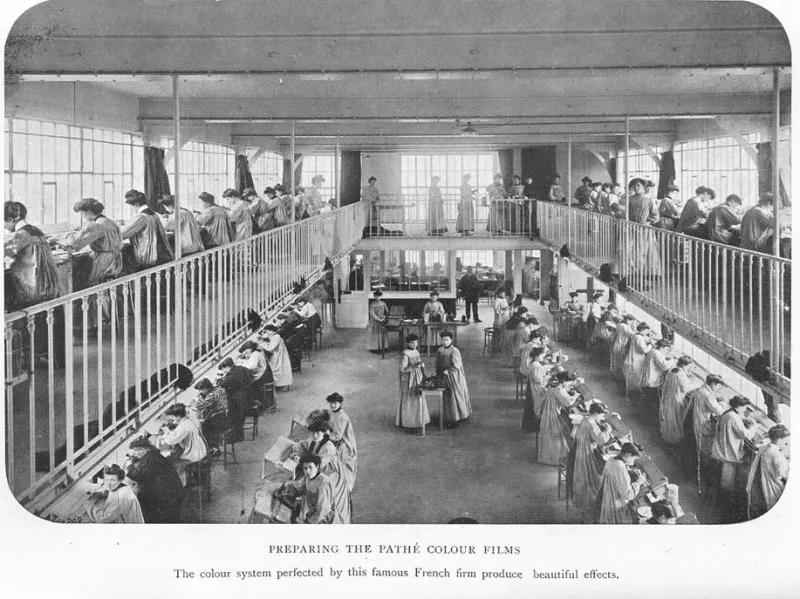
Photo: Unknown authorUnknown author, Public domain, via Wikimedia Commons
The call sheet said 3:15pm. By 3:47pm the light had already packed up and gone home. That’s the thing about shooting a winter short in the UK: the day doesn’t fade so much as switch itself off behind a grey curtain. We were shooting mostly in late-afternoon light, chasing windows, and by the time we got to the grade the footage was darker than the script had ever intended. Not moody-dark. Just… tired-dark. The kind of dark that makes a kitchen look like a cave and a face look like it’s been left on a radiator.
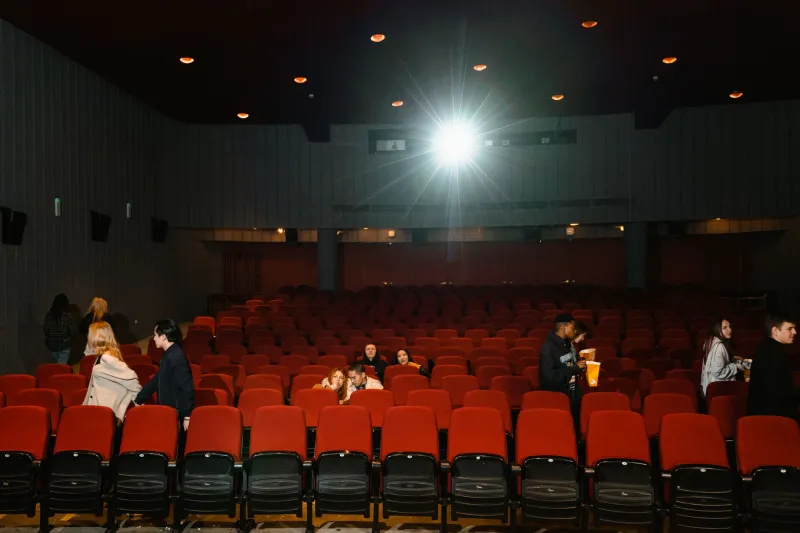
The film is small. Micro-budget, a handful of locations, a cast of three and a crew you could fit in a hatchback. But the grade still had to do two jobs at once: make the story readable on a phone in a kitchen, and make it feel deliberate on a cinema screen. Those are not the same job. They are barely on speaking terms.
The kitchen is a screening room now
We started with the least glamorous test available: a phone leaning against a mug on a kitchen worktop, brightness at about 40%, with the big light on and a kettle boiling somewhere behind us. If the film only worked in a dark room with the curtains shut, it wasn’t finished. Most people will meet this short on a phone, probably while doing something else. That’s not an insult to the audience. It’s just the room they’re in.
So we graded for that room first. We lifted the shadows enough to keep faces from turning into silhouettes, but not so much that the night scenes looked like daytime with the contrast turned down. We protected skin tones before we fell in love with any look. And we checked the whole thing on a cheap calibrated monitor, a phone, and a projector — the three-view rule. If a shot sang on the monitor and died on the phone, the phone won. If it looked flat on the projector but alive on the phone, we split the difference.
That sounds tidy. It wasn’t. There was a lot of squinting, a lot of “does that look green to you?”, and at least one argument about whether a wall was grey or just sad.
Grey daylight is not a neutral
British winter daylight has a habit of looking like a colour cast even when it isn’t one. Under a flat sky, skin can go slightly blue, especially in the shadows, and then tungsten practicals in the corner of a room push everything warm. You end up with a face that’s half porridge, half postbox. The story didn’t need that.
We kept the daylight cool but not cyan. We kept tungsten warm but not orange. And we resisted the urge to make every interior a cosy amber box. The film is set in winter, not in a candle shop. In the grade, we used gentle power windows on faces rather than global saturation, because pushing the whole frame warm made the grey walls look dirty and the whites look like old paper.
The bigger issue was contrast. The footage was darker than the story. The story is quiet, not bleak. That meant we couldn’t just crush the blacks and call it atmosphere. We had to find shape in the midtones: the edge of a table, the fold of a jumper, the difference between a shadow and a hole. In a few shots we added a soft lift to the shadows and then pulled the highlights down slightly, so the image felt open rather than underexposed. It’s a small move. It made a big difference on a phone.
The 3:47pm problem
The 3:47pm problem isn’t really about time. It’s about expectation. You shoot in late-afternoon light, you get a certain softness, a certain low sun, and then suddenly it’s gone and you’re shooting under a mix of grey window light and whatever bulbs the location came with. The grade has to make those two worlds feel like one film rather than two accidents.
We built a simple rule: the window stays cool, the practicals stay warm, and the skin tone sits between them. That gave us continuity without pretending the location was a studio. In one scene, a character stands by a window with a tungsten lamp behind them. On the monitor it looked like a colour war. On the phone it looked like a person in a room. We graded for the phone, then checked the projector to make sure we hadn’t flattened the mood. That’s the balance: keep the room, lose the argument.
We also stopped trying to rescue every shot. Some frames were dark because the day was dark. The answer wasn’t to invent daylight. It was to make the darkness feel intentional — to keep the highlights clean, the blacks soft, and the faces readable. A grade shouldn’t lie about the weather. It should make the weather part of the story.
What we kept
By the final pass, the film looked like it had been shot in the same day it was shot in. The kitchen test passed. The projector test passed. The phone test passed, which is the one that matters most when your audience is watching on a commute or in a front room with the big light on.
We didn’t chase a “cinematic” look. We chased a readable one. The footage was darker than the story, so we graded it back towards the story — not towards a showreel. That’s the lesson from this one: in a country that goes dark early, the grade isn’t decoration. It’s the bit that decides whether the film survives the room it’s watched in. And at 3:47pm in November, that room is usually a kitchen.