The Aisle Is the Set: A Midnight Short Film in a Corner Shop With a Low Ceiling
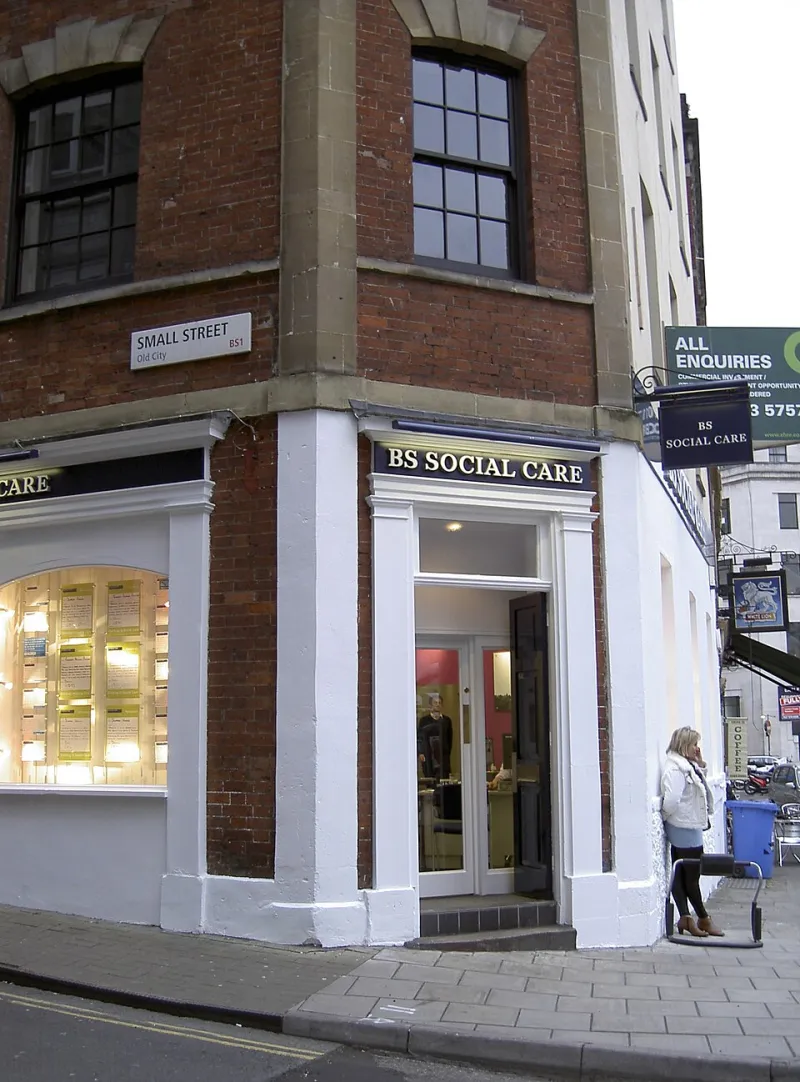
Photo: Neil Owen , CC BY-SA 2.0, via Wikimedia Commons
Most locations arrive with a list of things you cannot do. A corner shop after the shutters come down arrives with a list of things you cannot move. The stock, the fridges, the ceiling, the till. We spent one night in a small shop on the edge of a Yorkshire town, shooting a short between 9pm and midnight, and the film looks better because we could not sand any of it off.
The recce is a negotiation
The first visit is not about camera angles. It is about finding out how the shop actually works. The owner had run the place for nineteen years. He knew which fridge cycled loudest, which floorboard creaked by the counter, and exactly how long the shutter took to close. We knew none of that, so we listened.
We asked for three things: the shop floor after closing, permission to move nothing without asking, and a hard out at midnight. In return we offered a fee for the evening, a copy of the finished film, and a promise that no brand would look endorsed. We also agreed that the lottery counter and the till float would stay off camera. Not because they are illegal to show, but because nobody wants their cash handling in a short film.
The kettle mattered more than the shot list. A shop is somebody's workplace, and a crew that asks before it plugs anything in tends to get asked back. We left the stock exactly where it was, faced up as normal, and built the blocking around the aisles rather than asking for a tidy set.
A floor plan drawn on the back of a receipt
The shop was roughly four metres wide and seven metres deep. Counter front-left. Fridges along the back wall. A central island of shelving. Door on the right, window on the left. Ceiling height: about 2.4 metres, with a bulkhead over the counter that dropped lower still. That ruled out light stands above 1.8 metres and most of the lighting plan we had sketched in the van.
[window]        [door]
   |              |
   |   shelving   |
   |    island    |
   |              |
[counter]     [fridges]
We drew that on the back of a receipt and stuck it to the van dashboard. It became the whole plan. The camera would live in the aisle, low and close, because that was the only place it could live. The bulkhead became a natural flag for the counter scenes. The window became a second key light we did not ask for.
Kit that fits in a hatchback
We kept the kit cheap because the location was already doing the heavy lifting. A borrowed mirrorless body, a 25mm prime, a 12-35mm zoom for the wide stuff, two bi-colour LED panels with diffusion, a 5-in-1 reflector, a lav mic and a Zoom recorder, two clamp lamps from the studio, blackout curtain for the door glass, sandbags, gaffer tape, and a long extension reel. Total replacement value: less than a decent second-hand lens.
The clamp lamps did most of the work. We clamped them to shelving uprights and bounced them off the ceiling tiles, which softened everything and kept the stands out of the shot. The LED panels were used sparingly: one behind the counter for a rim, one in the aisle for fill. The blackout curtain over the door glass stopped the streetlight from turning the shop into a bus shelter.
What we did not bring: a smoke machine, a jib, or anything that needed a second person to carry. The shop had a step at the door and a narrow back room, and we had already learned that a small location punishes big kit.
Fridges have a say in the sound
A shop fridge is a compressor with a grudge. It cycles every few minutes, and when it kicks in, it owns the room. We could not unplug it: the owner had stock to protect and a temperature log to keep. So we worked with it.
We recorded room tone first, with the fridges running, and used that as the bed for the scene. We scheduled dialogue for the quiet window after a cycle, kept the mic close, and accepted that some lines would need a gentle notch filter in the mix. The hum became part of the film. It is the sound of a corner shop at night, and pretending otherwise would have been a lie.
The till was another character. It beeped when it woke up, and the drawer had a spring that sounded like a small trap. We ended up using both in the edit. If a location makes a noise, you can fight it or you can cast it.
Stock does not move, so the camera does
We did not dress the shop. We reframed it. A wall of crisps is a colour palette. A shelf of tinned tomatoes is a texture. The owner faced up the shelves as he normally would, and we shot into the gaps rather than rearranging them. When a brand was legible, we kept it in soft focus and avoided hero close-ups. No product was handled, no logo was lingered on, and nobody could mistake the short for an advert.
The low ceiling forced us to shoot close and low, which made the shop feel like a den. The aisles became corridors. The counter became a stage. The camera moved along the shelving instead of around it, and the audience got the feeling of being inside the shop rather than looking at it.
The permissions that make it possible
A private shop floor is the owner's call, but that does not mean a handshake is enough. We used a one-page location agreement, a copy of our public liability insurance, a short risk assessment, and staff consent forms for anyone who might appear in frame. We also confirmed that no customer footage would be used, and that the shop's alarm and keyholder arrangements would stay with the owner.
If you are shooting on the pavement outside, that is the local authority's patch, so check before you put a tripod down. Inside, the main permissions are the owner's, the staff's, and your insurer's. We also agreed a hard out at midnight, because the owner wanted to be home. We left the shop as we found it, except for the bin.
What we would do differently
Bring more blackout for the door glass. The streetlight was a second key light we did not ask for, and it changed colour halfway through the night. Bring a shorter ladder. Test the fridge cycle before blocking, not after. And write the floor plan on something bigger than a receipt.
But the limitations were the point. The low ceiling made us shoot close. The hum made us listen. The stock stayed put, so we moved the story around it. A corner shop after closing is not a blank canvas. It is a character, and the job is to let it speak.