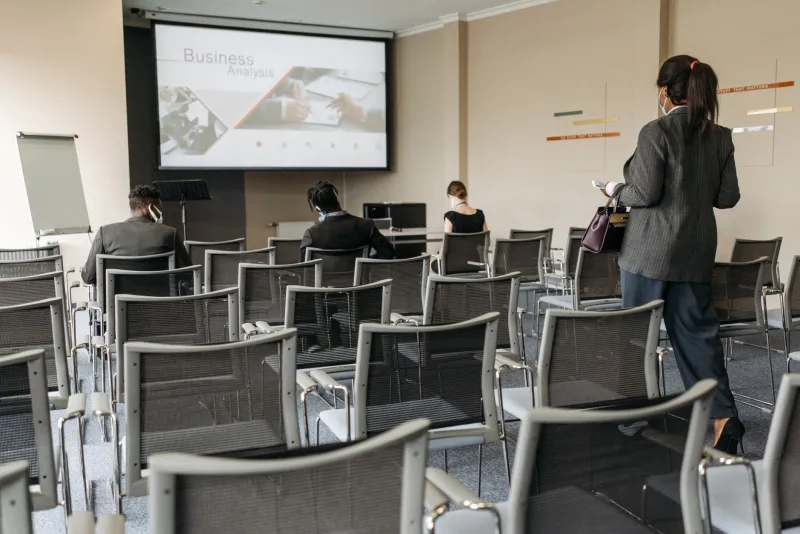
Curation Doesn’t Stop at the Credits: Building a Rural Shorts Night Around the Timetable
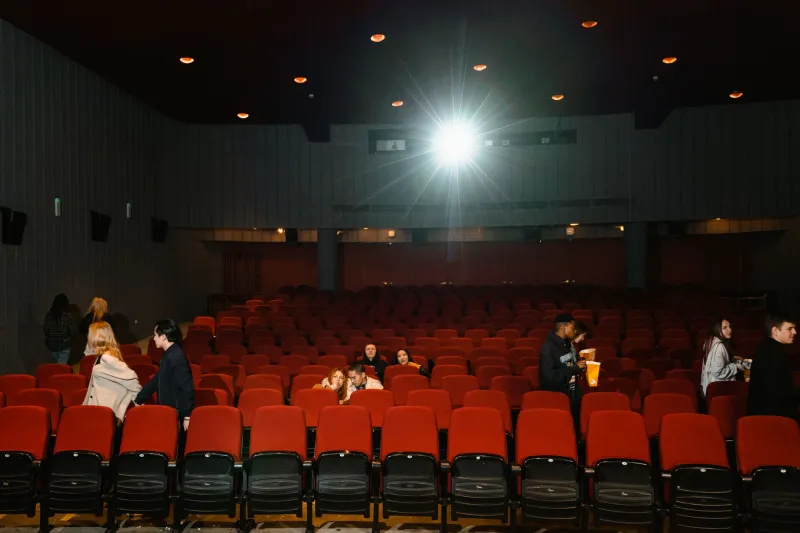
There is a moment, after the last short has finished and the lights come up, when a city screening turns into a gentle drift towards the pub. In a village hall twelve miles from the nearest railway station, it turns into something else: a quiet calculation about the 21:47, a hunt for a taxi number, and a small cluster of people asking whether anyone is going towards the same side of the valley.
At Redcat Studios, we have learned to treat that moment as part of the programme. Not an afterthought. Not a line in the risk assessment. The journey home shapes who comes, how long they stay, and whether they leave feeling looked after or mildly stranded. For a micro-budget shorts night outside the big cities, transport is not admin. It is curation.
Start With the Last Bus, Not the First Film
The instinct when planning a screening is to begin with the films. You have a pile of submissions, a rough running order, and a venue that can do a Friday in November. Fair enough. But before we lock a start time, we check the last services out of the village, the nearest taxi rank, and whether the local pub is still doing food at 6pm.
That sounds dull. It is also the difference between a full room and a room of people who all leave at 21:10 because the alternative is a forty-minute walk down an unlit lane.
If the last bus is at 21:47, the evening has a natural shape. Doors at 18:30, films from 19:00, a tight Q&A, and a hard finish by 21:15. That gives people twenty minutes to get to the stop without doing that horrible half-run in the dark. It also means the programme has to be built to fit, rather than trimmed on the night when the host realises the Q&A has gone wandering.
A rural screening does not need to be early, exactly. It needs to be honest about the clock.
The Run Time Is a Curatorial Decision
A twelve-minute short can cost someone their bus. That is an uncomfortable thing to admit when you are trying to honour every filmmaker in the room, but it is true. If the programme runs to 110 minutes plus a Q&A, you are asking an audience to choose between the final film and getting home.
Our rule of thumb for a weeknight rural shorts night is 75 to 85 minutes of films, plus no more than fifteen minutes of Q&A. That is not a judgement on longer work. It is a recognition that the evening has a second act, and that act involves a timetable.
It also changes the order. In a city, you might save the strongest short for the end. In a village hall with a last bus, the strongest short probably needs to sit earlier enough that people are still there for it. You can still build to a finish, but you cannot pretend the room is a captive audience when half of them are watching the clock.
Intervals are another decision. A ten-minute break can feel generous, but it also eats the buffer you built for the bus. If we use one, it has to do a job: a taxi-share board by the door, a local cab number on the wall, a chance for the host to say clearly when the final section ends. A interval is not just social time. It is a scheduling tool.
Q&A Has a Curfew Too
Filmmakers are often generous with their time, and audiences are often generous with their questions. That combination can quietly wreck a well-planned evening. We now give the host a visible clock, a set of prompt cards, and permission to be slightly ruthless.
A few things help. Announce the hard stop at the start: “We finish at 21:15, and the last bus is at 21:47.” Put it on a slide. Ask people to write questions during the interval so the host can pick the ones that will actually go somewhere. If a filmmaker cannot be there in person, a short pre-recorded introduction often works better than a live video call that depends on the hall’s Wi-Fi and everyone’s patience.
The Q&A is not less important because it is short. It is more important because it has to land. Fifteen focused minutes can be better than forty minutes of drifting, especially when the audience is thinking about coats, lifts and the road home.
The Venue Is a Transport Decision
We have looked at beautiful village halls down long, photogenic lanes and quietly crossed them off the list. Not because they are not lovely. Because a screening is not over when the credits roll; it is over when people are safely on their way.
A good rural venue for a shorts night is close to a bus stop, has a lit approach, and does not require a guest to guess which unmarked gate leads to the car park. If the hall is a short walk from the stop, say so in the listing. If the walk is dark, say that too, and bring a torch. If there is a pub nearby that is still open, that is not a distraction from the film programme. It is a waiting room with chairs and crisps.
Taxi shares are worth organising openly rather than leaving to chance. A simple board at the door with postcodes and a pen can do more for audience care than a glossy poster. Print the local cab numbers, not just a QR code that depends on signal. If someone has come from the next village, they should not have to become the event’s unofficial transport coordinator.
Tell People Before They Buy a Ticket
All of this only works if the audience knows. The listing should include the start time, the end time, the last bus, the taxi option, and a rough walking time from the stop. That may feel like a lot of information for a poster, but it is the information that turns a maybe into a yes.
We have started treating the timetable as part of the campaign. A social post that says “doors 7pm” is fine for a city centre. A social post that says “films 19:00–20:25, Q&A to 20:45, last bus 21:47 from the corner” tells people that the evening has been thought through. It is not glamorous. It is, oddly, one of the clearest ways to show that the screening is for the people in the room, not just the films on the screen.
The Programme Is the Whole Evening
None of this means a rural shorts night has to feel like a coach tour with films attached. The point is the opposite. By planning around the last bus, you give the films a better chance: an audience that is not distracted, a Q&A that does not sag, and a room that trusts the host to get them out in time.
Curation is usually talked about as selection and order. We would add a third element: the journey home. The 21:47 is not an enemy of the programme. It is part of it. Build the evening around it, and everyone gets to watch the credits without wondering whether they should already be running for the door.