Ninety Minutes, One Clipboard: Our Street-Level Recce Routine for UK Shoots

Photo: filmmaker scouting urban street location with clipboard UK town centre, via iheartcraftythings.com
A recce is not a wander. A wander is what you do when you like the look of a street and assume it will be fine on the day. A recce is ninety minutes with a clipboard, a phone and a very specific set of questions, and it is the cheapest insurance a low-budget crew will ever buy.
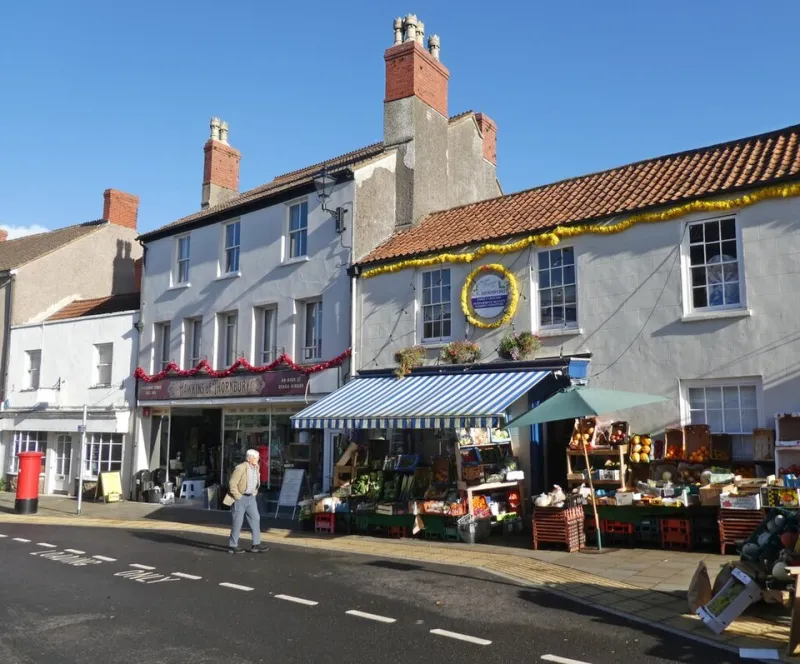
Last month we scouted a two-street shoot in a West Yorkshire town centre for a short documentary sequence. Budget: a few hundred quid. Crew: four. No film office, no road closure, no base camp. This is roughly how the ninety minutes went, and what we wrote down.
First, what 'without a permit' actually means
Let's clear this up, because it is where most new crews get into trouble. There is no law in the UK stopping you filming in a public place. You can stand on a pavement with a camera and film the street. Nobody needs to authorise that.
But 'public place' is doing a lot of heavy lifting. The pavement is public highway. The precinct is council land. The park is council land with its own bylaws. The station is Network Rail or the train operator. The retail park belongs to a property company. The canal towpath belongs to the Canal & River Trust. Private land means the landowner's permission, full stop, and a shopping centre manager can and will ask you to leave.
Where councils do get involved is anything that interrupts normal use: blocking a carriageway, coning off parking bays, planting a tripod in the road, running a tracking vehicle or a generator on the pavement. That is a road closure or a temporary traffic regulation order, and it is measured in weeks, not days. If your shot needs the street empty, start that conversation now, not on Thursday.
Otherwise, most of what you need is a phone call, a named contact and manners.
Minutes 0 to 15: walk the route you will actually shoot
Not the route that looks nice on a map. The route the camera moves along, in the direction it moves, at walking pace, at the speed you will actually be working. Note where the crew stands, where the bags go, where the tripod lives between setups, and — this is not a joke — where the nearest toilet is.
Time the walk. A two-minute walk for a pedestrian is a twelve-minute reset for a four-person crew with a slider and a tripod bag.
Minutes 15 to 35: light
Get the sun path app out and work out which side of the street is in shade at 9am and which at 3pm. In a northern town in November, the sun may never clear the roofline at all, which is either the best or worst news of the day depending on what you wanted.
Look at what the light bounces off. Yorkshire stone throws a warm, mottled fill back into faces; red brick does something similar; wet tarmac gives you a cool, flat under-light that is quietly unflattering. Note where the street lamps switch on (usually a timer, usually earlier than you think) and whether they are warm sodium or cold LED — you will see them in the background of your shot whether you planned for it or not.
Minutes 35 to 55: people and permission
Check the council's mapping portal on your phone while you are standing there and confirm who owns the ground. Then go and talk to people. The shop whose window is in your background. The market manager. The cafe you want to use as a holding base. Ask if they mind, get a name, get a number, and write it down.
Also note the rhythm of the place: school run times, bin collection, delivery windows, the bus that comes every six minutes. You are looking for the twenty-minute gap in the middle of it where your dialogue scene can actually happen.
Minutes 55 to 75: sound, power and access
Sound is the thing low-budget crews forget and then lose a day to. Stand still and listen for two minutes. Fridges humming, extractor fans, church bells, a distant flight path, the reversing beep of a lorry. All of it will be on your track.
Power: is there a socket you are allowed to use, and who owns it? A generator solves the problem and creates a new one, because small generators are loud and dialogue does not like them.
Access: can a car get within forty metres of the setup? Are there steps, cobbles, bollards, a weight restriction, a pedestrianised zone with a barrier? Can you carry a loaded case that far, four times, in the rain?
Minutes 75 to 90: write it up while you are still standing there
The write-up happens on site, not on the bus home. One page per location: address and a what3words pin, who owns it, contact name and number, permission status, hazards, the best window of the day, the nearest power and toilet, and a wet-weather alternative within a five-minute walk.
The printable checklist
- Full address plus what3words pin
- Landowner and their contact details, written down
- Permission confirmed — yes, no, or pending (and who is chasing it)
- Time of day the light works, and the cut-off point
- Shadow side of the street, morning and afternoon
- Street lamp type and switch-on time
- Ambient noise sources, listed
- Nearest legal power source
- Vehicle access distance and any barriers
- Surface: flat, cobbled, stepped, sloping
- Hazards: traffic, cyclist lane, loading bay, trip hazards
- Public liability insurance certificate on the phone
- Risk assessment drafted
- Toilet, cafe, dry holding area
- Wet-weather alternative location
- Bus routes and frequencies
- School run and delivery times
- Who to call if challenged on the day
The paperwork nobody enjoys
Public liability cover of £5 million is the usual ask from councils and landowners; some want £10 million. Have the certificate as a PDF you can email from your phone. Write a one-page risk assessment even if nobody requests it — it takes fifteen minutes and it makes you look like a professional rather than a hazard.
If you are filming under-16s who are performing rather than just milling about in the background, you will need a child performance licence from the local authority. If you are flying a drone, CAA registration and the relevant class rules apply, and a sub-250g drone is still not a licence to hover over a crowd. And if you are capturing identifiable members of the public for a commercial piece, think about GDPR and get release forms for anyone featured.
Weather, and the plan you will actually use
Overcast is a gift, honestly. Soft, consistent, easy to match across cutaways, and it will not change on you mid-take. Low winter sun is the opposite: beautiful for about fifteen minutes, then a hard shadow moves across the wall and your continuity is gone.
So build a wet list — three or four covered setups within reach of your base — and decide in advance at what point in the morning you will switch to it. Deciding on the day, in the rain, with a crew waiting, is how days get lost.
Etiquette is really the whole job
Ask before you set up. Thank people. Do not block a shop door for forty minutes. Do not film strangers' children. Move on when someone says no, and do not argue the law at them, even when you are right. A town that has had a good experience with one small crew is a town that will say yes to the next one, and there are not that many of us out here.